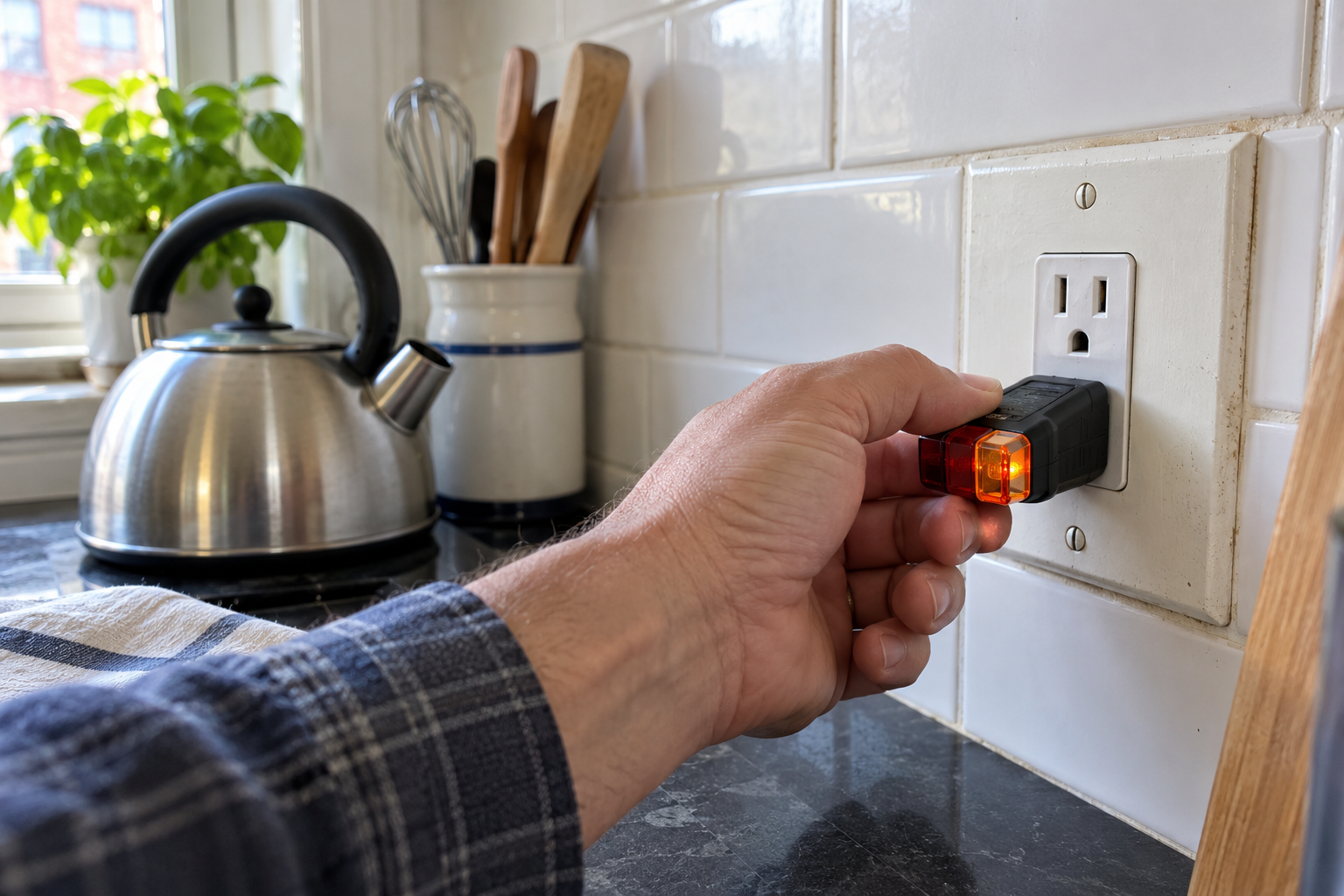
An electrical inspection as part of a home inspection can help NYC buyers ask better questions about a property’s visible condition. New countertops and fresh paint do not tell the whole story about the wiring behind them. Before closing, make time to review electrical observations, access limitations, and any recommendation for a qualified electrician.
This guide focuses on five warning signs and how to use the findings. It is not a set of instructions for opening panels or repairing wiring yourself.
1. Breakers that trip repeatedly
Ask the seller whether circuits regularly shut off when everyday appliances are used. A repeated trip needs evaluation rather than repeated resetting. Write down which room or appliance is involved and pass that information to your inspector. Do not replace a breaker with a larger one to stop the problem; a qualified electrician should determine the cause and appropriate correction.
2. Flickering lights or unusual sounds
Flickering, persistent dimming, or buzzing around an outlet or switch deserves attention. These symptoms can have several causes, and an open house rarely provides enough information to identify one. Explain when the symptom occurs rather than guessing the diagnosis. If it happens intermittently, a short inspection visit may not reproduce it, which makes a clear history especially useful.
3. Discolored or damaged outlets
Look for cracked covers, loose-looking receptacles, and discoloration without touching suspected damaged equipment. The Electrical Safety Foundation’s home wiring guidance identifies warm or discolored electrical fittings and electrical shocks among warning signs that need professional attention. An outlet that looks newly installed should still be evaluated within the inspection’s scope.
4. Missing protection or inconsistent test results
Ask your inspector to explain observations about ground-fault protection and representative accessible receptacle testing. A plug-in tester can identify certain conditions, but a normal result does not certify all wiring or prove that every safety feature is present. When the report recommends further evaluation, have an electrician explain the affected locations, proposed work, and any additional investigation.
5. Unclear renovation records
A recently remodeled kitchen may include new electrical work, or it may only include new finishes. Ask for the contractor’s details and available records rather than assuming that appearance establishes the quality of concealed work. Discuss any missing documentation with your real estate team. A routine inspection is not a comprehensive code-compliance review or a substitute for verifying required approvals through the appropriate channels.
What a home electrical inspection covers
A general home inspection reviews accessible components within the agreed scope. Electrical observations may include service equipment, panel conditions, and a representative sample of switches and receptacles. Concealed wiring and inaccessible equipment limit what can be observed. The InterNACHI Standards of Practice describe the visual nature of a general inspection and its exclusions.
Review the report’s wording carefully. An observed problem, an inaccessible component, and a recommendation for further testing mean different things. Ask your inspector to explain the difference so you can decide what information to obtain next.
Arrange access before inspection day
Confirm where the electrical panel is located and arrange access with the seller or building manager. Clear the surrounding area without touching electrical equipment. In a condo or co-op, ask which equipment serves only the unit and which belongs to the building. Shared systems may need a separate review or records from management. Our NYC condo inspection guide explains why access and responsibility matter.
Turn the report into useful next steps
Ask a qualified electrician for a written evaluation when recommended, including the scope of repair and any related testing. Keep invoices and follow-up documentation with the inspection report. Avoid treating a seller’s promise of a quick fix as equivalent to completed, documented work. For smoke, active sparking, or a burning smell, move away from the equipment and contact emergency services as appropriate.
Visit Inspextro to discuss a home inspection for your NYC property. Confirm the inspection scope and arrange any specialist follow-up before your transaction deadlines.