
Foundation inspection helps buyers and homeowners understand visible structural warning signs before a property decision becomes stressful or expensive. In New York City, older homes, row houses, basements, crawlspaces, and renovated properties can all show signs of settlement, moisture, cracking, or movement that deserve attention.
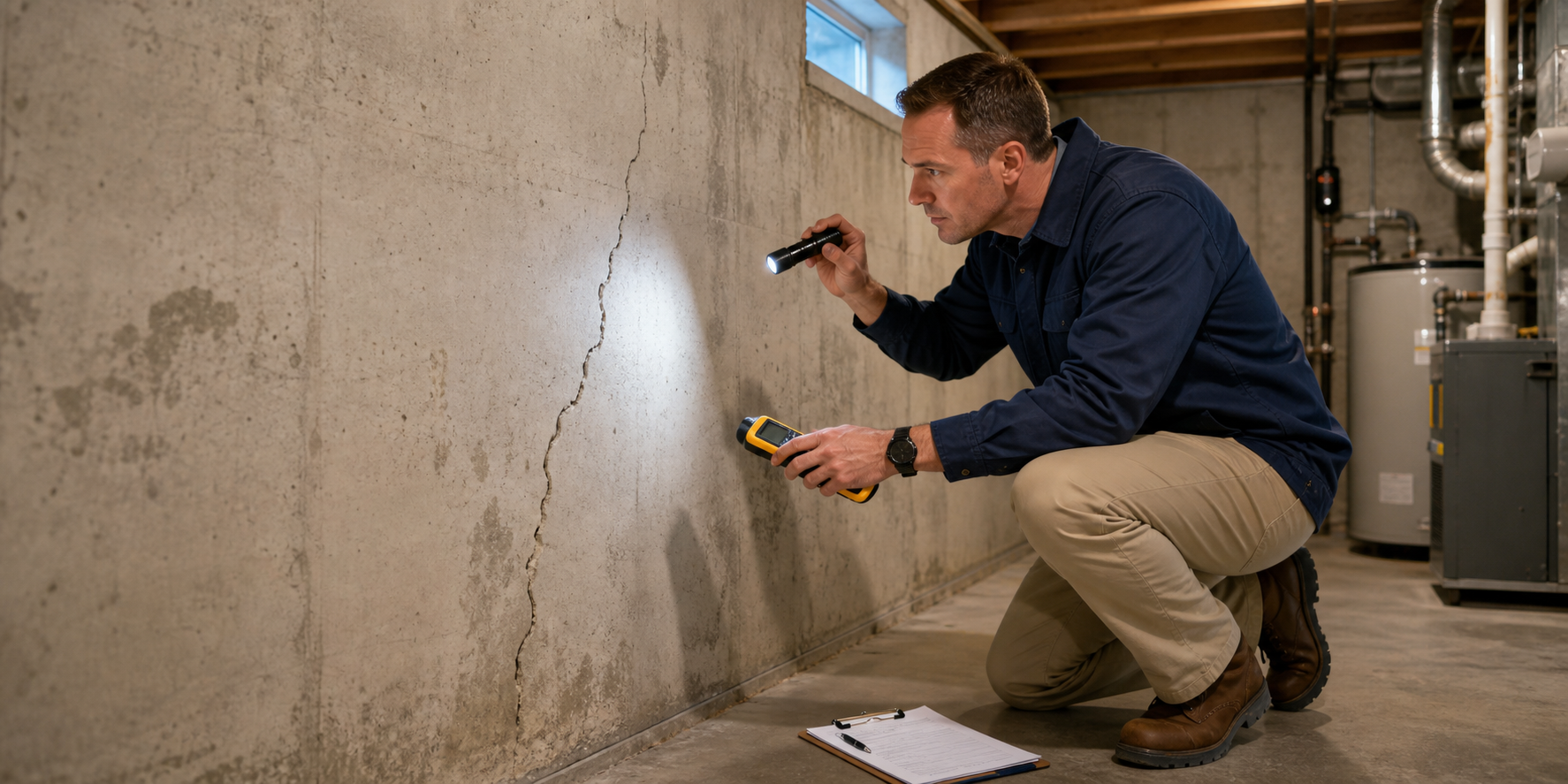
A home inspection is visual and non-invasive, but it can still provide important clues about foundation condition. The inspector looks for cracks, water intrusion, uneven floors, sticking doors, gaps around windows, sloping areas, and signs that repairs may have been made in the past. These findings help buyers decide whether a structural engineer, waterproofing contractor, or other specialist should evaluate the property further.
Why foundation inspection matters
The foundation supports the entire home. When foundation concerns are missed, the cost can be much higher than a simple maintenance repair. Not every crack means there is a major structural problem, but cracks should be understood in context. Size, direction, location, moisture, and movement all matter.
For buyers, a foundation inspection can help avoid surprises after closing. For sellers, it can help identify issues before listing the property. For homeowners, it can help track changes over time and respond before damage spreads.
Common warning signs
One common sign is cracking in foundation walls or basement slabs. Hairline cracks can be normal in some concrete surfaces, but wider cracks, stair-step cracks in masonry, horizontal cracks, or cracks with moisture staining may need closer review. Bulging or bowing walls are also important because they can suggest pressure from soil or water outside the foundation.
Moisture is another major clue. Damp walls, efflorescence, musty smells, peeling paint, rust on metal supports, and water marks can point to drainage or waterproofing problems. Water near the foundation can weaken materials over time and create conditions for mold or indoor air quality concerns.
Inside the home, sloping floors, doors that do not close properly, cracks above windows, and gaps between trim and walls can sometimes relate to settlement. These signs do not always mean the foundation is failing, but they should be documented and considered with the rest of the inspection findings.
What inspectors look for outside
The exterior can tell an important part of the story. Inspectors look at grading, downspouts, cracks in exterior walls, retaining walls, drainage paths, and whether water is being directed away from the building. Poor drainage is one of the most common contributors to foundation and basement moisture concerns.
In many NYC properties, limited access can make exterior evaluation more difficult. Shared walls, paved yards, finished basements, and stored belongings can hide parts of the foundation. That is why a clear inspection report should explain both visible findings and areas that could not be fully inspected.
When to call a specialist
If the inspection finds major cracking, movement, persistent moisture, bowing walls, or signs of structural repair, the next step may be evaluation by a structural engineer or qualified contractor. A home inspector can identify visible concerns and recommend further review, but repair design and engineering opinions should come from the right specialist.
The bottom line
Foundation inspection gives buyers and homeowners a clearer view of risk. It helps separate minor maintenance observations from findings that deserve more attention. Before buying, selling, or renovating, a careful inspection can protect your budget, support smarter negotiations, and help you understand the property with more confidence.